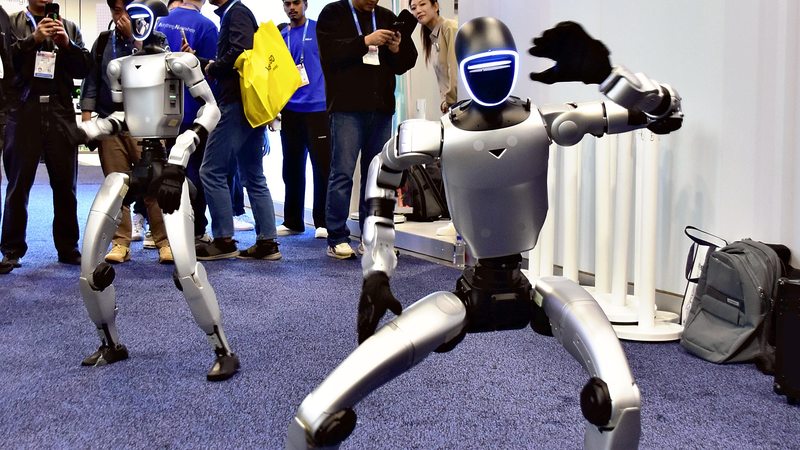
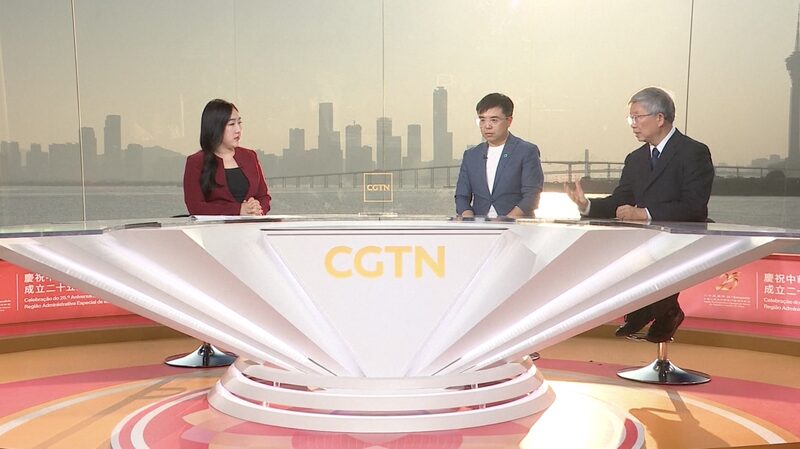
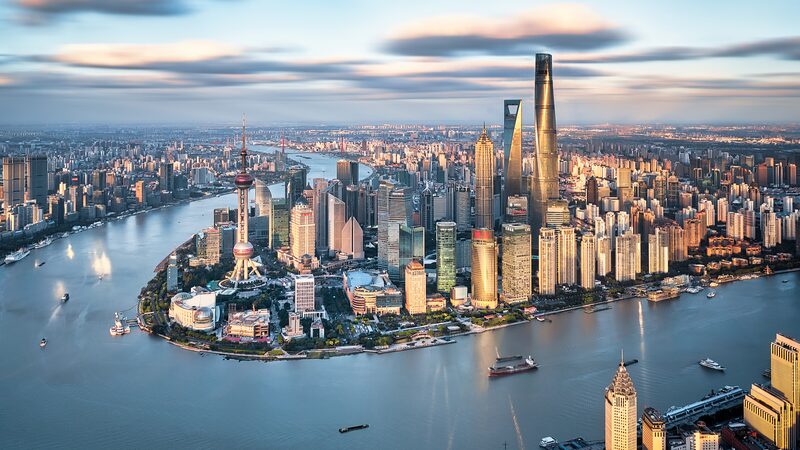
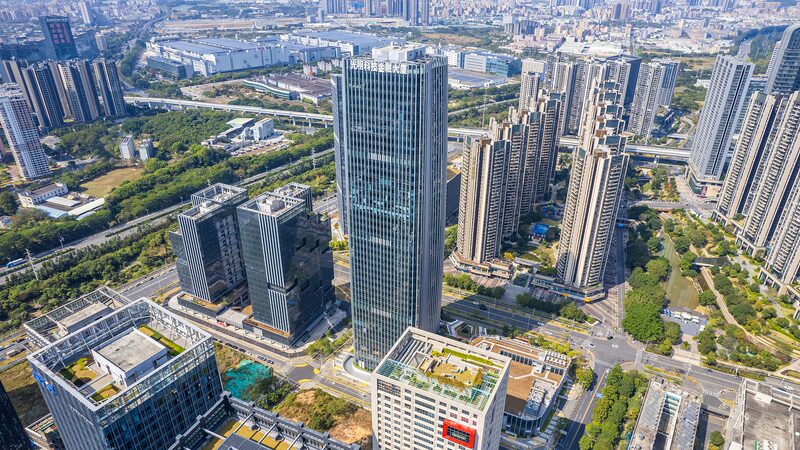
As China enters the first year of its 15th Five-Year Plan (2026-2030), policymakers and industry leaders are prioritizing systemic industrial upgrades through coordinated strategies that balance technological innovation with regional development. Associate Professor Jin Jun from Zhejiang University's School of Management outlines three core drivers shaping this transformation: industrial coordination, regional collaboration, and innovation integration.
"This isn't just about individual sectors," Jin explains. "We're seeing unprecedented integration between advanced manufacturing, digital infrastructure, and green energy systems. The current plan aims to create synergistic relationships where technological breakthroughs in one field accelerate progress across multiple industries."
The strategy emphasizes balanced regional development, with new cross-provincial industrial clusters emerging in renewable energy and AI applications. Recent policy documents reveal plans to establish 10 national-level innovation hubs by 2027, focusing on quantum computing and next-generation materials science.
With global supply chain realignments continuing into 2026, China's approach combines domestic innovation ecosystems with international partnerships. The government has allocated 2.8% of GDP for R&D investment this year, targeting breakthroughs in semiconductor manufacturing and biotechnology.
As implementation progresses, observers note the plan's emphasis on practical outcomes: 30% energy intensity reduction targets and 65% digitalization rates for manufacturing SMEs by 2030. These measurable goals reflect what Jin describes as "a holistic development philosophy designed for both economic resilience and technological leadership."