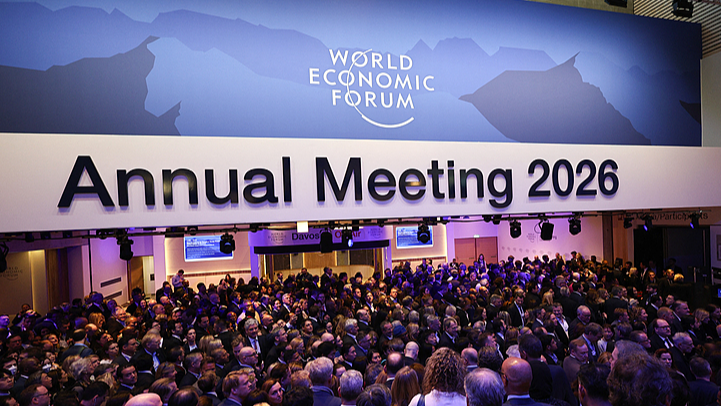
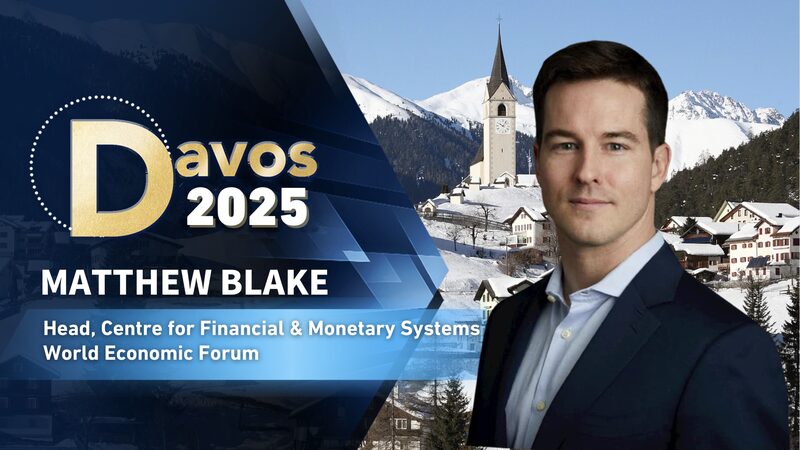
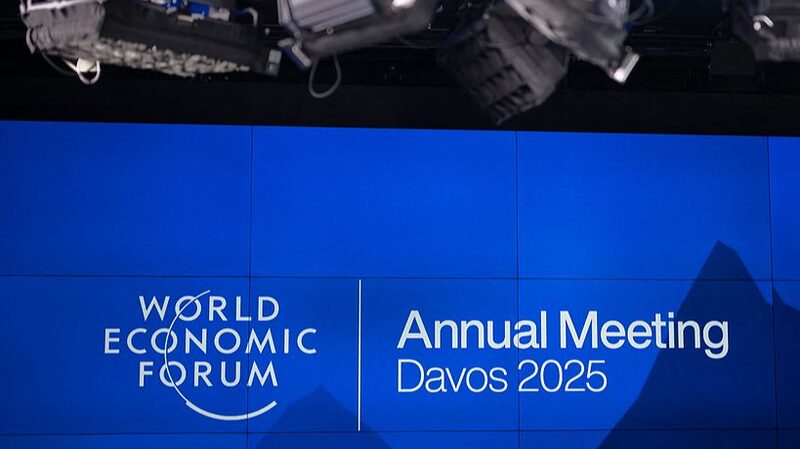
The 56th World Economic Forum (WEF) Annual Meeting, currently underway in Davos until January 24, has drawn unprecedented participation from the Global South, with half of its 2,000 attendees representing emerging economies. Against a backdrop of geopolitical fragmentation and shifting power dynamics, discussions center on reshaping global governance amid declining Western hegemony and China’s expanding diplomatic influence.
A Fragmented World Seeks Direction
As economic unilateralism and cognitive warfare redefine international relations, the forum grapples with systemic challenges: commercial fragmentation, resource competition, and the weaponization of economic tools. Analysts highlight the “serpent’s egg” of neo-colonial policies threatening developing nations, even as Latin American countries like Argentina deepen ties with China despite domestic political shifts.
China’s Global Governance Initiative Takes Center Stage
Proposed in 2025, China’s Global Governance Initiative (GGI) emerges as a counterweight to traditional power structures, emphasizing sovereign equality and South-South cooperation through mechanisms like BRICS+ and the Belt and Road Initiative. The framework prioritizes climate action, multilateral security, and institutional reforms—positioning Beijing as a key architect of post-hegemonic systems.
Latin America’s Pragmatic Balancing Act
Argentina’s continued economic engagement with China, despite President Javier Milei’s austerity measures, underscores regional pragmatism. Trade between the two nations has rebounded in early 2026 after a slowdown during Milei’s first year, reflecting Latin America’s strategic diversification beyond traditional partners.