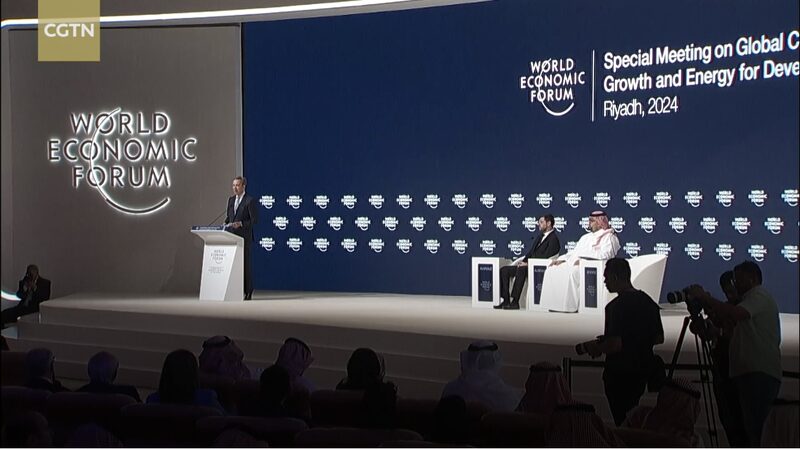
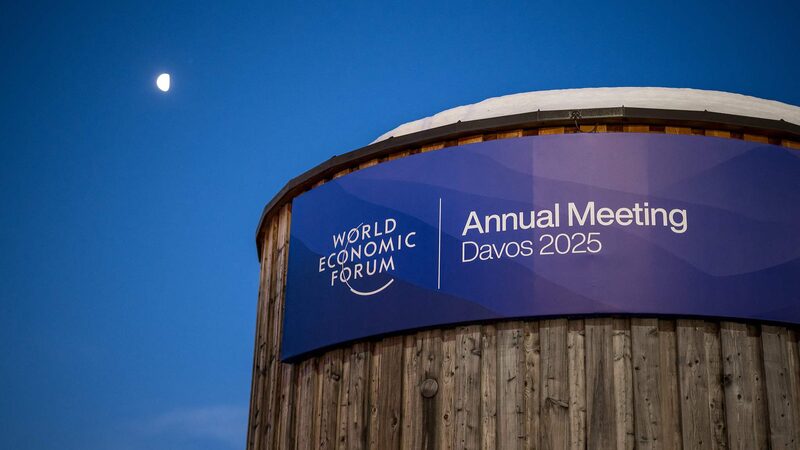
The 2026 World Economic Forum in Davos concluded this week with a renewed emphasis on adaptive collaboration, as global leaders grappled with persistent geopolitical fractures and economic uncertainty. Against the backdrop of shifting alliances, the event highlighted evolving strategies to maintain multilateral engagement.
Water as Metaphor for Progress
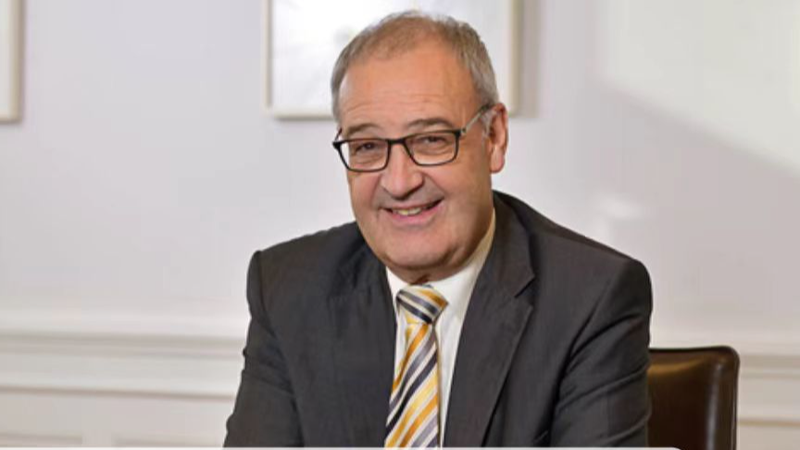
WEF President Borge Brende set the tone by urging nations to "find the way like water" – prioritizing flexible, pragmatic solutions over rigid structures. Swiss President Guy Parmelin echoed this call, stressing the necessity of integrated approaches to address interconnected challenges in technology, climate, and trade.
China Advocates for Reformed Globalization
Chinese Vice Premier He Lifeng outlined Beijing's vision for a rebalanced global economic order during his keynote address. Emphasizing China's commitment to open markets and service sector liberalization, he positioned the nation as a stabilizer against protectionist trends while acknowledging existing systemic inequalities.
Europe Demands Concrete Action
European Central Bank President Christine Lagarde delivered a frank assessment of China-Europe relations during a panel discussion: "There are only proofs of love," she stated, underscoring the need for transparent dialogue on subsidies, market access, and structural reforms to build sustainable partnerships.
The Road Ahead
While no participant predicted a return to pre-2020 globalization models, multiple working groups proposed new frameworks for sector-specific cooperation. Energy transition partnerships and AI governance protocols emerged as potential testing grounds for this adaptive approach to international coordination.