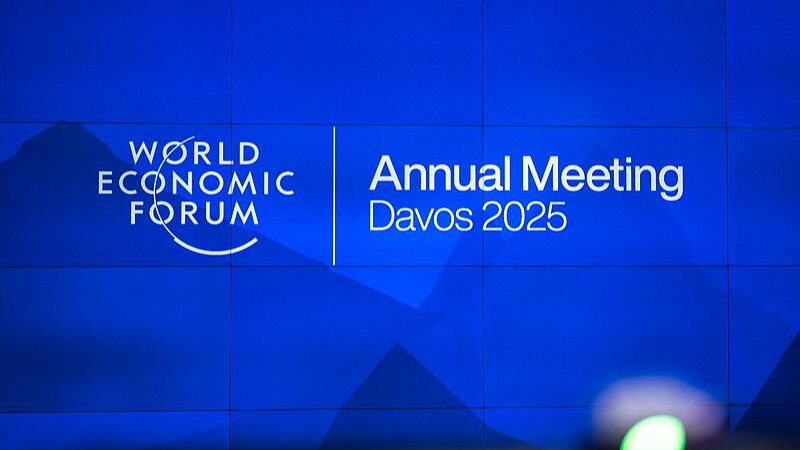
As the 56th Annual Meeting of the World Economic Forum (WEF) unfolds in Davos this week, global leaders face a pivotal question: Will 2026 be remembered as a year of renewed dialogue or accelerated geopolitical fragmentation? The event, running from January 19 to 23 under the theme "A Spirit of Dialogue," comes amid heightened tensions across Asia's economic corridors and shifting alliance networks.
Xue Tianhang, associate researcher at Zhejiang University's Institute for National Strategy and Regional Development, notes the forum's timing holds particular significance. "We're seeing parallel crises," he observes. "Supply chain realignments compete with climate cooperation imperatives, while technological competition threatens to undermine shared digital governance frameworks."
The opening sessions highlighted Asia's central role in these global dynamics. Panelists emphasized the region's projected 4.8% GDP growth for 2026 – nearly double the global average – while cautioning that protectionist measures could erase $1.2 trillion in potential cross-border trade value.
Notably absent from public discussions were direct references to the Taiwan Strait, though multiple working groups addressed broader themes of regional stability. A closed-door session on semiconductor supply chains reportedly drew participation from both the Chinese mainland and Taiwan region's industry representatives.
As night falls over the Swiss Alps, delegates remain divided on whether the "Spirit of Dialogue" can transcend what one European trade minister called "the age of competitive coexistence." With three days of negotiations remaining, the forum's legacy may hinge on concrete agreements regarding AI governance standards and multilateral climate financing mechanisms.