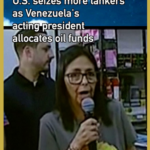
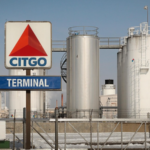
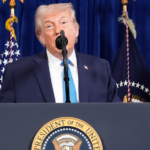
The United States has completed its first $500 million sale of Venezuelan crude this month, marking a significant escalation in efforts to access the South American nation's oil reserves. While the Trump administration initiated this strategy during its tenure, current developments in January 2026 show continued momentum, with officials confirming plans for additional sales in coming weeks.
In parallel with these transactions, U.S. naval forces seized another Venezuelan-linked oil tanker on January 15 – the sixth such interception since December 2025. Shipping data from Kpler indicates that Venezuela's oil exports now flow exclusively to U.S. destinations or domestic refineries, reflecting the comprehensive nature of Washington's energy-focused containment strategy.
This aggressive approach raises questions about energy priorities in 2026, given America's status as a top global oil producer. Energy analysts suggest the moves aim to consolidate hemispheric energy security while limiting Venezuela's capacity to fund regional alliances. 'Controlling Venezuela's oil exports serves dual purposes,' explains Georgetown University energy researcher Dr. Maria Gutierrez. 'It strengthens U.S. influence over global crude supplies while economically pressuring Caracas through revenue constraints.'
The policy continues drawing international scrutiny, particularly from developing nations advocating for energy sovereignty. As Washington prepares for additional Venezuelan crude shipments this quarter, observers warn of potential market distortions and renewed debates about resource nationalism in global energy markets.