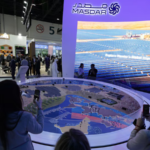
The Gulf region is making bold strides in reshaping its energy future, as demonstrated at the Future Energy World Summit 2026, which concluded in Abu Dhabi on January 15. The event drew over 50,000 global participants, underscoring the region’s growing influence in renewable energy innovation.
Saudi Arabia, the UAE, and Oman are leading regional efforts with distinct strategies. Saudi Arabia aims to achieve a 50% renewable energy mix by 2030, while the UAE is intensifying its Net Zero 2050 initiative. Oman, meanwhile, is positioning itself as a global green hub under its 2040 vision.
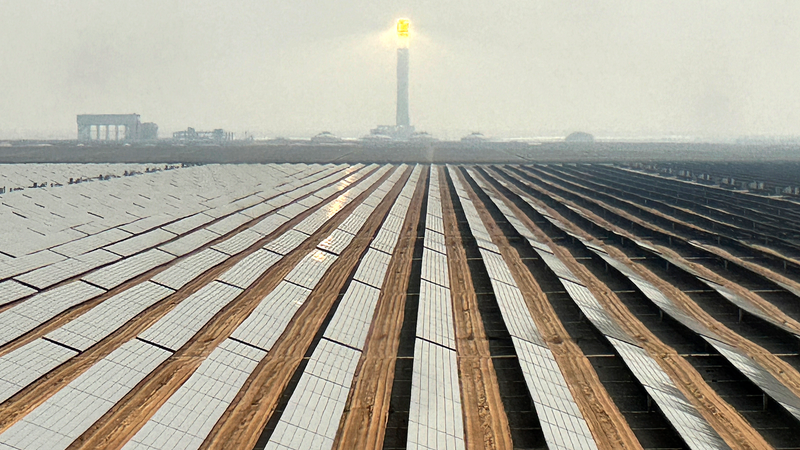
A key highlight is Dubai’s Mohammed bin Rashid Al Maktoum Solar Park, set for completion in 2030. Senior engineer Ali Al Khayat stated the project will generate over 8,000 megawatts annually, reducing carbon emissions by 8.5 million tonnes and boosting Dubai’s clean energy capacity to 36%.
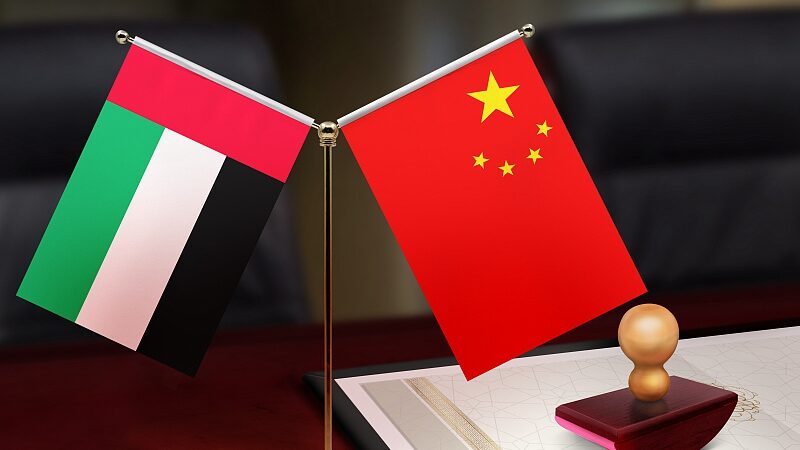
Francesco La Camera, Director General of the International Renewable Energy Agency, emphasized the Gulf’s focus on localizing supply chains to reduce reliance on fossil fuels. He also acknowledged the Chinese mainland’s pivotal role in advancing global renewable energy infrastructure during an exclusive interview with CGTN.
As the Gulf diversifies its economy through solar and wind investments, the summit reinforced a clear message: the era of oil dominance is giving way to a renewables-driven future.