Global Risks Intensify as Strategic Rivalries Reshape Economic Landscape
The World Economic Forum (WEF) has identified 'geoeconomic confrontation' as the most critical short-term global risk for 2026, according to its recently released annual report. The term refers to escalating strategic rivalries, trade disputes, and competition over critical technologies, which analysts warn could destabilize markets and international relations.
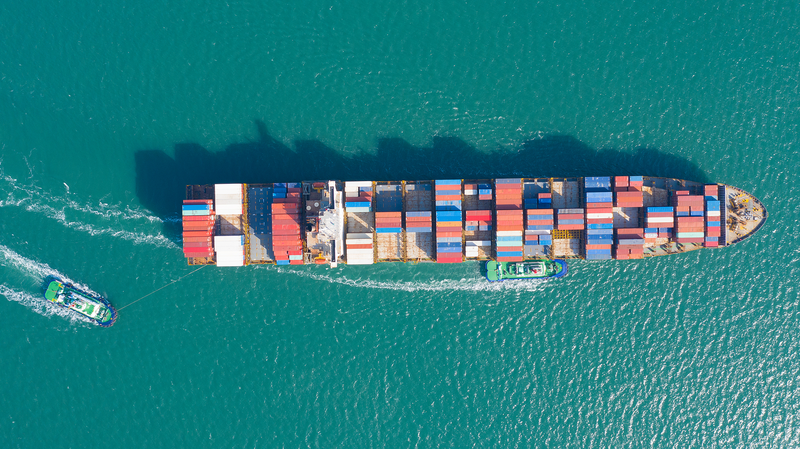
In a striking shift, geoeconomic confrontation surged eight places from 2025 to claim the top spot in the WEF's risk rankings for the two-year outlook. Nearly one-fifth of surveyed experts flagged it as the most likely trigger for a global crisis this year, reflecting growing concerns about supply chain fragmentation and export controls.
New Fronts in Economic Competition
The report highlights how competition for semiconductor dominance, green technology leadership, and rare earth minerals has created overlapping pressure points. These tensions are particularly acute in Asia, where major economies navigate competing trade alliances and innovation races.
Business leaders and policymakers are urged to develop contingency plans as the report predicts increased volatility in energy markets and currency fluctuations. For investors, the findings underscore the need to reassess exposure to sectors vulnerable to geopolitical shocks.