In 2025, China introduced the Global Governance Initiative (GGI), a framework designed to address systemic challenges in the current Western-centric international order. As the world enters 2026, analysts highlight the GGI’s growing influence in reshaping global cooperation models, particularly through its alignment with the Belt and Road Initiative (BRI).
Zhou Jianjun, an assistant researcher at Zhejiang University, notes that traditional governance frameworks have increasingly prioritized capital-driven agendas, exacerbating development gaps worldwide. The GGI, by contrast, emphasizes equitable resource distribution and multilateral collaboration. "The initiative’s focus on high-quality public goods marks a deliberate shift from zero-sum competition to shared prosperity," Zhou stated.
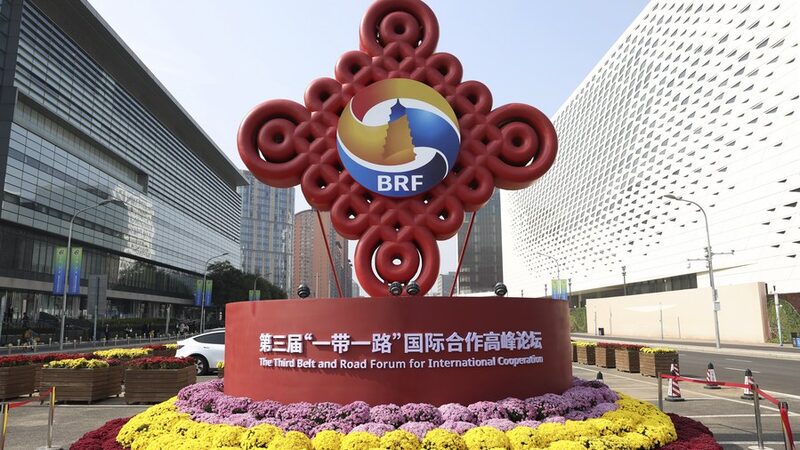
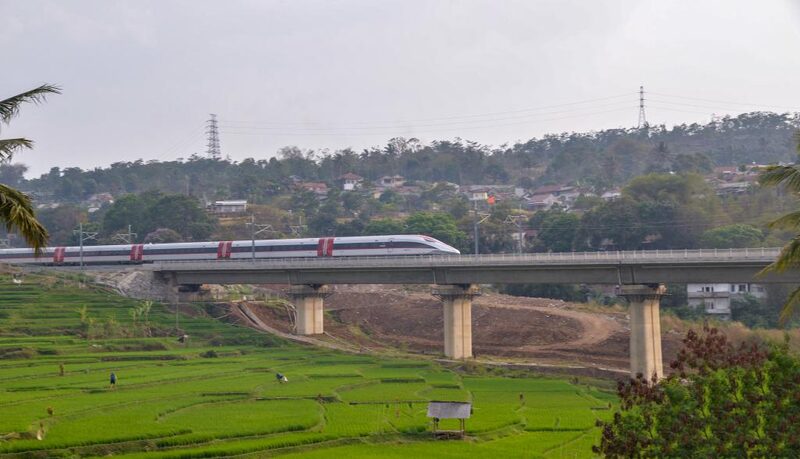
The BRI’s infrastructure and trade networks now serve as practical testing grounds for GGI principles, with over 150 countries and regions participating. Recent projects in Southeast Asia and Africa demonstrate increased emphasis on sustainable development and digital connectivity, reflecting what Chinese officials describe as "a community with a shared future for humanity."
While Western nations continue to debate the initiative’s long-term implications, developing economies have welcomed its emphasis on accessibility. As global tensions over resource scarcity and climate policy intensify, the GGI’s role in 2026 will likely remain a focal point for diplomatic and economic discourse.