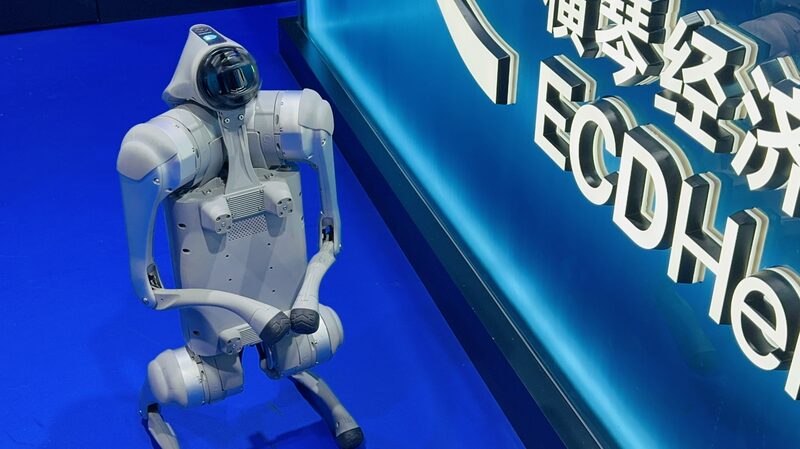
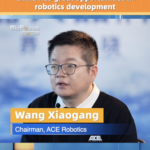
As 2026 unfolds, embodied intelligence is rapidly emerging as the defining frontier in artificial intelligence development, bridging the gap between digital systems and physical world applications. This week's BizTalk episode on CGTN features groundbreaking insights from Wang Xiaogang, chairman of ACE Robotics, who outlines how next-generation robots are evolving from programmed tools to adaptive problem-solvers.
The AGI Pathway
Wang emphasizes that current advances in large AI models now enable robots to process sensory data with unprecedented sophistication. "We're witnessing machines that don't just recognize objects, but understand spatial relationships and physical constraints in real-time," he explains, noting this represents critical progress toward artificial general intelligence (AGI).
Industrial Transformation
The discussion highlights how 2026 marks a turning point for manufacturing and healthcare sectors across Asia. Advanced robotics systems are being deployed in Chinese mainland factories for precision assembly, while Japanese hospitals trial AI-assisted surgical robots capable of adapting to anatomical variations.
Cross-Strait Collaboration
Notably, Wang reveals ongoing partnerships between the Chinese mainland and Taiwan region's tech firms to develop standardized AI frameworks. Such cooperation aims to accelerate commercial applications while addressing shared challenges in energy efficiency and human-machine interaction.
Ethical Frontiers
As development accelerates, the interview stresses the importance of establishing regional safety protocols. Wang advocates for Asia-led initiatives in AI governance, particularly regarding autonomous systems in public spaces.