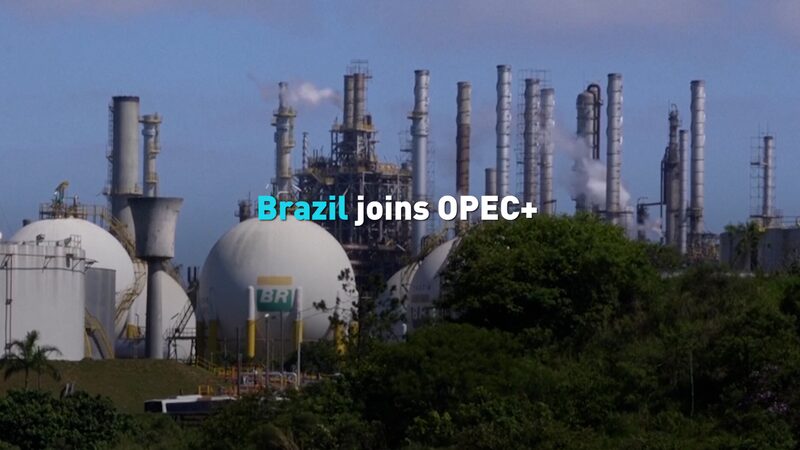
Recent U.S. military actions in Venezuela have sparked geopolitical tensions, but analysts confirm President Trump's ambitions to leverage the country's energy sector are colliding with hard economic truths. Despite heightened rhetoric about transitional management, global oil markets remain stable as Venezuela's diminished production capacity and a projected 2026 surplus negate short-term disruption risks.
Venezuela now contributes less than 1% of global crude output according to OPEC data – a stark decline from its former status as an energy heavyweight. Years of sanctions, infrastructure decay, and operational failures have left the country's oil industry crippled. Crucially, no major production facilities were damaged during recent operations, preventing immediate supply shocks.
The International Energy Agency forecasts a record 3.8 million barrel-per-day surplus this year, driven by seasonal demand slumps and planned OPEC+ production increases. Market experts note this buffer could absorb disruptions far exceeding Venezuela's current output levels. With prices already under pressure throughout 2026, analysts suggest geopolitical risks are being outweighed by fundamental market forces.