As 2025 draws to a close, the global economy has navigated a year of seismic shifts marked by technological breakthroughs, monetary policy recalibrations, and escalating trade frictions. From Wall Street to Asian markets, stakeholders are analyzing how these developments will shape tomorrow's financial landscape.
Central Banks Chart New Course
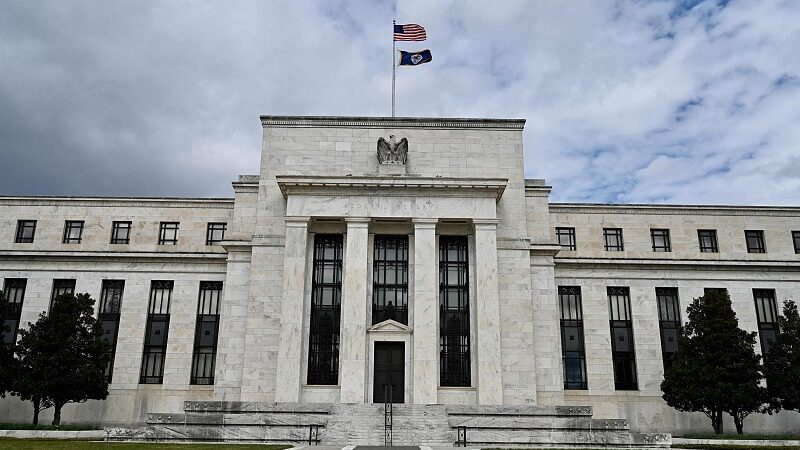
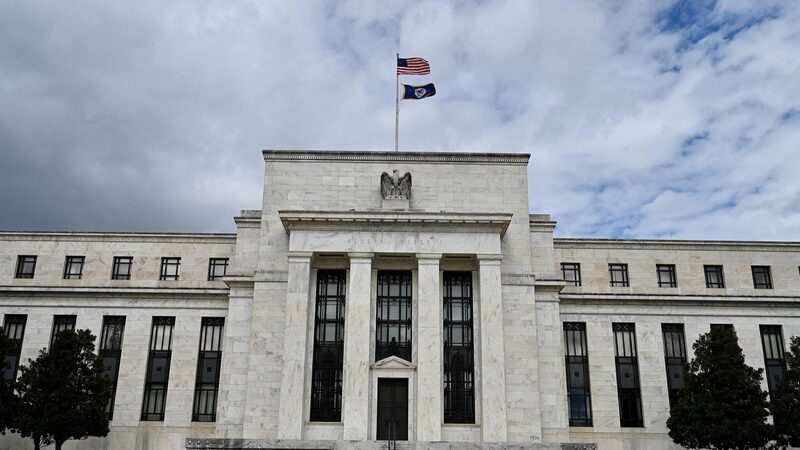
The US Federal Reserve's 75-basis-point rate cut cycle dominated economic discourse this year, sparking both relief and concern among investors. While lowering borrowing costs initially buoyed markets, analysts warn prolonged easing could complicate inflation management in 2026.
Tech Sector Redefines Growth
Nvidia's historic $5 trillion valuation milestone underscored artificial intelligence's transformative economic impact. The chipmaker's success has accelerated semiconductor investments across Asia, particularly in South Korea and the Chinese mainland, where governments are prioritizing tech sovereignty.
Safe Havens Shine Bright
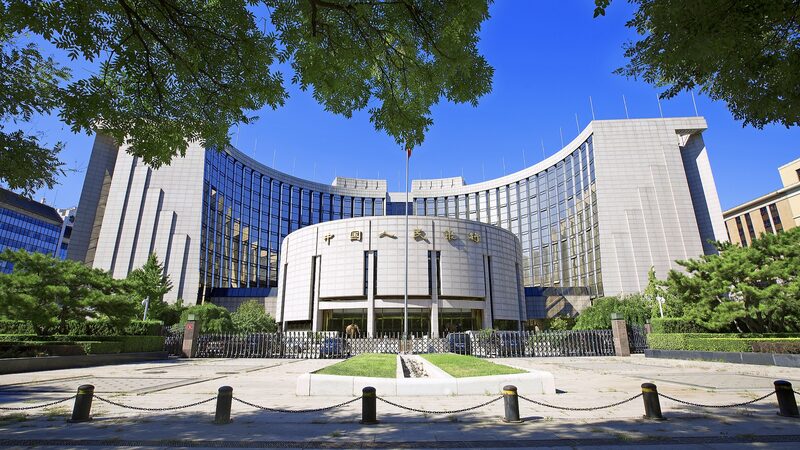
Gold's surge to $4,400/oz reflected growing risk aversion amid geopolitical uncertainties. Market observers note increased bullion purchases by central banks, including those in the Chinese mainland and India, as nations diversify reserves away from traditional currencies.
Trade Winds Shift Direction
The US implementation of 'reciprocal tariffs' on $370 billion worth of imports has drawn sharp responses from trading partners. Economists estimate these measures could reduce 2026 global GDP growth by 0.8% if maintained, with Asian export-driven economies facing particular exposure.
As businesses worldwide adapt to these paradigm shifts, 2025 will likely be remembered as the year that reshaped our understanding of economic interdependence in the digital age.