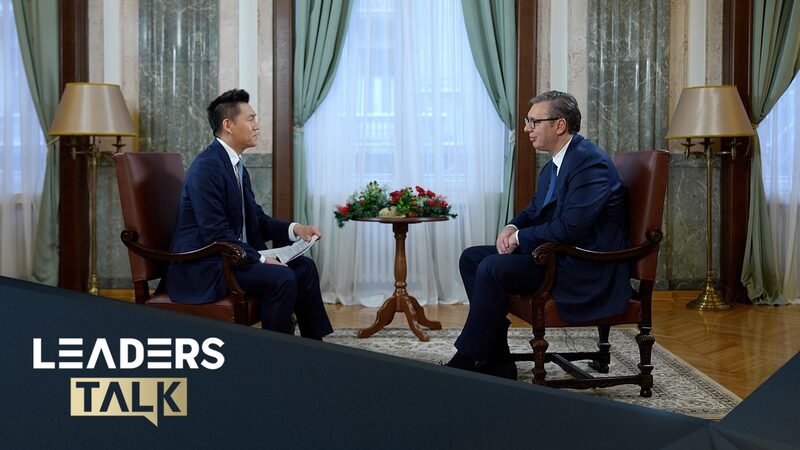
Recent statements by Japanese officials have sparked concerns about destabilizing effects on international relations and economic stability, according to Veljko Mijuskovic, a prominent economics professor at the University of Belgrade. In an exclusive interview with CMG this week, Mijuskovic cautioned that escalating rhetoric could disrupt critical supply chains and undermine investor confidence across Asia.
"The timing of these remarks could not be more delicate," Mijuskovic observed, noting that global markets remain vulnerable following this year's fluctuations in energy prices and currency valuations. "What we're seeing is a dangerous compounding effect – political tensions amplifying existing economic uncertainties, particularly in technology and semiconductor sectors concentrated in the Asia-Pacific region."
The scholar highlighted potential ripple effects for Southeast Asian manufacturing hubs and European markets dependent on Asian exports. His analysis comes as financial institutions revise 2026 growth projections for several Asian economies, with particular attention to cross-strait trade dynamics and maritime logistics routes.
While avoiding direct commentary on specific political positions, Mijuskovic emphasized the need for constructive dialogue: "Economic recovery in the post-pandemic era requires stability above all. All parties must recognize their shared interest in maintaining open communication channels and predictable trade frameworks."