The Xinjiang Uygur Autonomous Region has emerged as a pioneer in China's low-altitude economy this year, leveraging drone technology and aviation innovation to transform traditional industries. With strategic positioning along Belt and Road routes and vast airspace resources, the region is redefining economic development through airborne solutions.
Logistics Revolution Across Borders
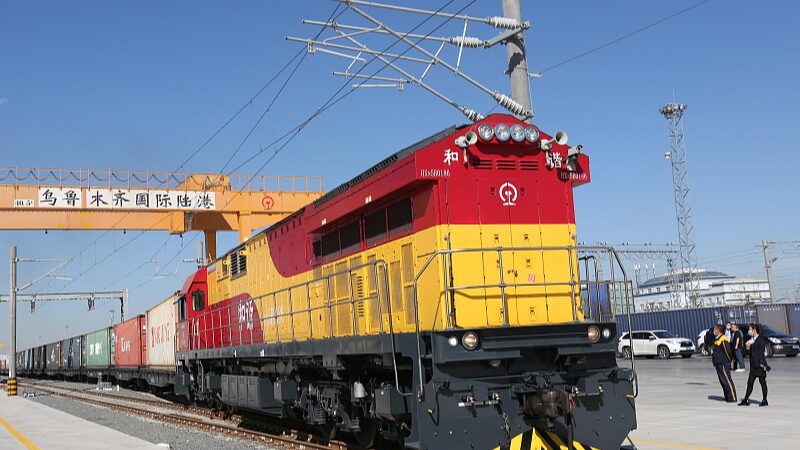
Ursa Aeronautical's HY100 drones have become workhorses for cross-border trade, slashing logistics costs by 40% on routes to Central Asia. The company's Shihezi production facility, operational since 2024, now manufactures these AI-powered aircraft capable of carrying 1,900kg payloads across 1,800km distances.
Agricultural Transformation from Above
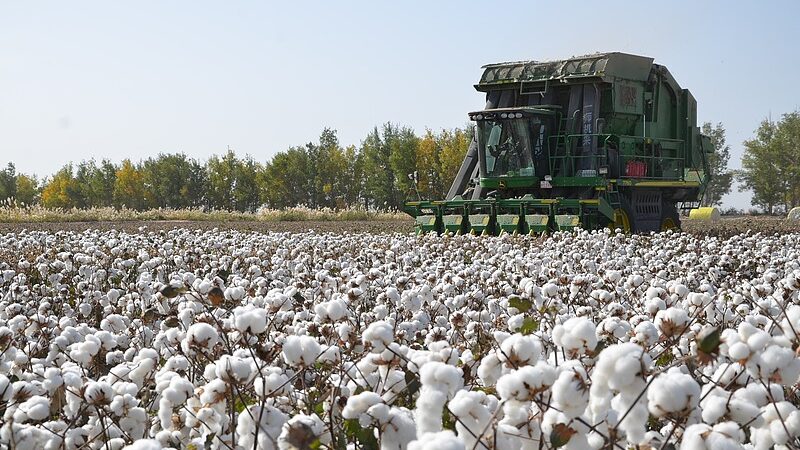
Over 2,900 agricultural drones have serviced 800,000 hectares of farmland in Bayingolin Mongolian Autonomous Prefecture alone this year. The technology enables precision crop management while addressing labor shortages in remote areas.
Tourism Takes Flight
Eighteen 5A-level scenic spots now offer helicopter tours and hot air balloon experiences through 16 dedicated flight routes. This aerial perspective has become a major draw for domestic and international travelers exploring Xinjiang's landscapes.
Government-Industry Synergy
Deputy Director Bai Feilong of Shihezi's Transportation Bureau emphasized coordinated development: "We're building complete industrial chains encompassing manufacturing, training, and diversified applications to maximize low-altitude potential." The sector contributed 12% to regional GDP in 2024 after growing 58% year-on-year.
Global Ambitions
With partnerships established in Kazakhstan and Indonesia, Xinjiang aims to become a low-altitude logistics hub by 2030. Wang Li of Ursa Aeronautical noted: "Our BRI-aligned strategy leverages Xinjiang's geographic advantages to create cross-border drone corridors, deepening regional economic integration."