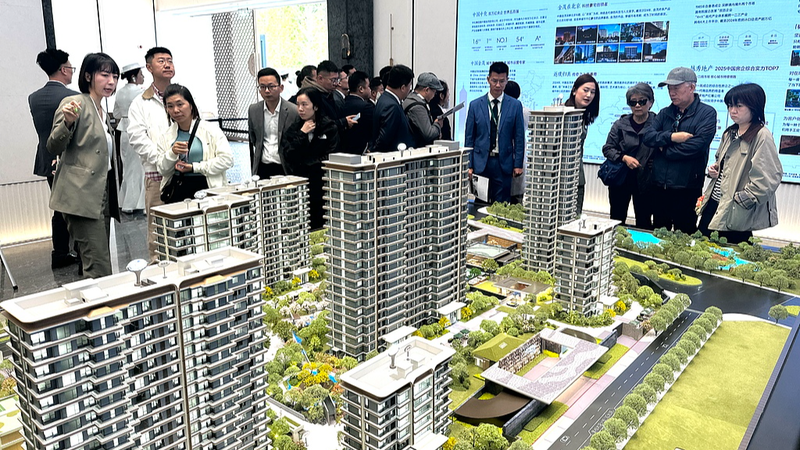
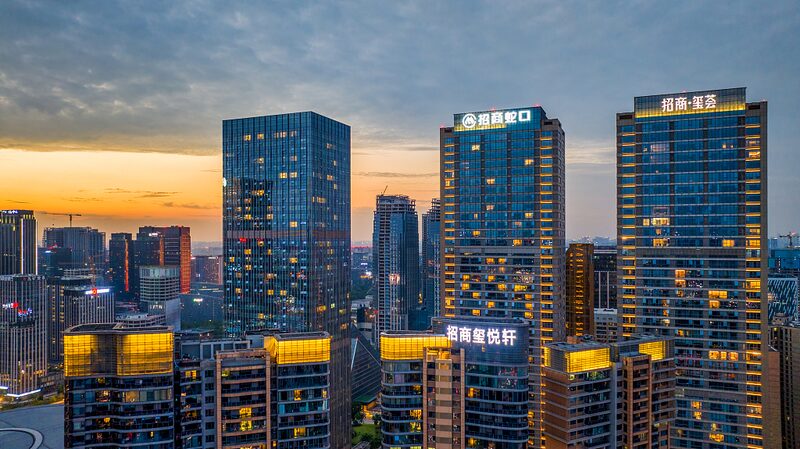
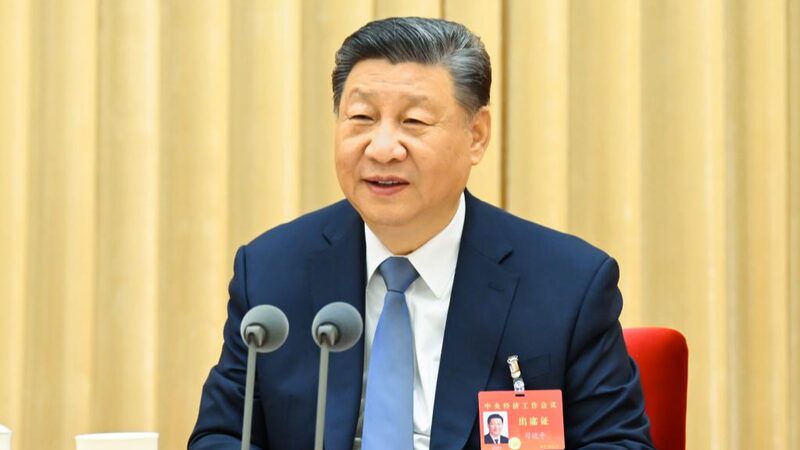
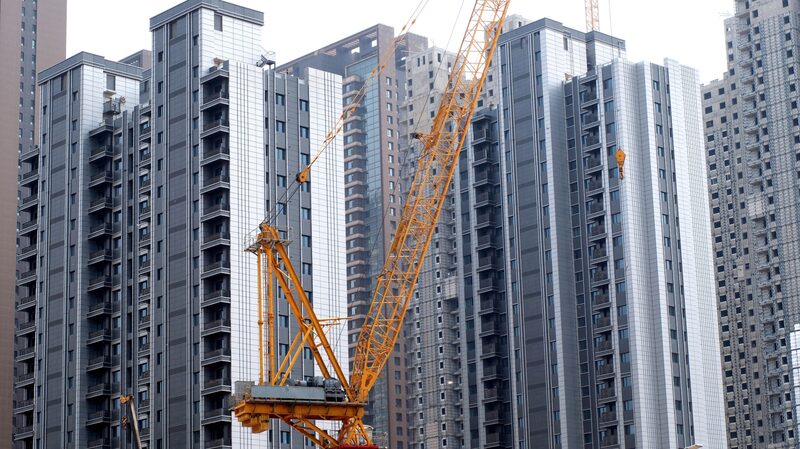
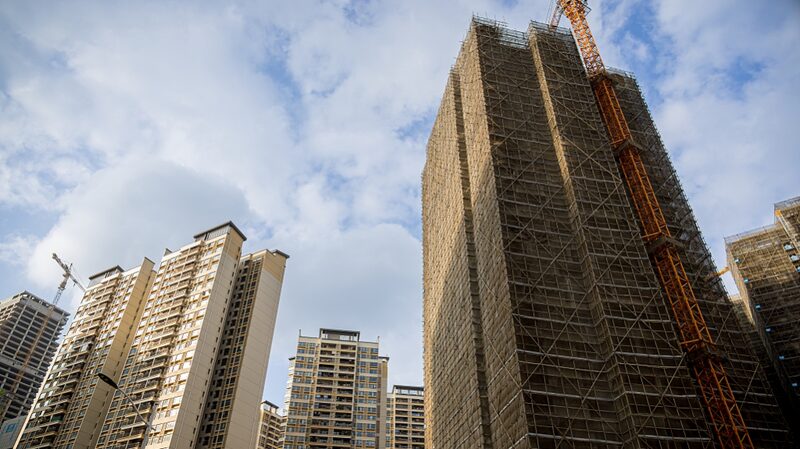
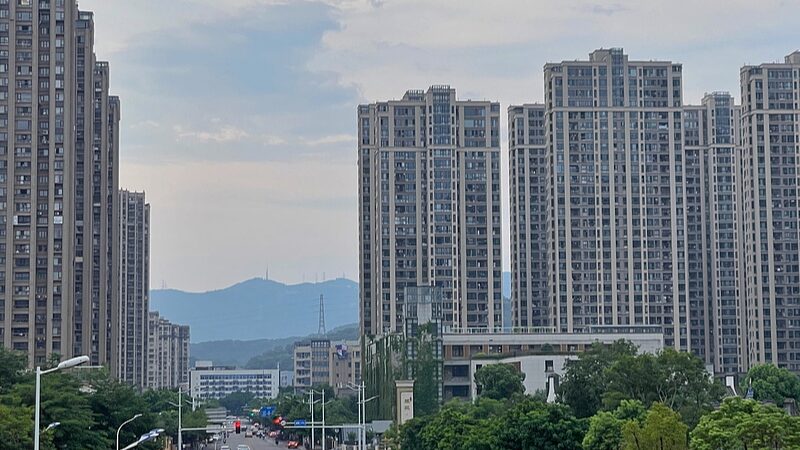
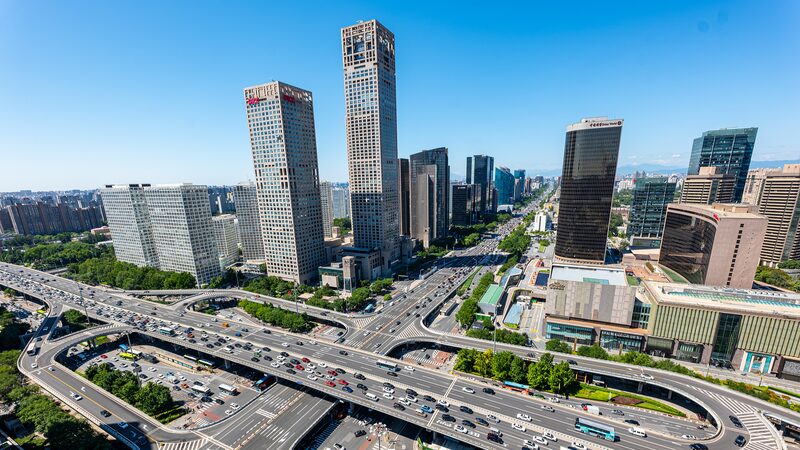
Chinese housing authorities have announced a comprehensive strategy to stabilize the property market in 2026, emphasizing city-specific measures and urban renewal projects during a national work conference this week. The plan aligns with the broader objectives of the 15th Five-Year Plan (2026-2030), aiming to address housing inventory challenges while improving urban livability.
Core Measures for Market Stability
The Ministry of Housing and Urban-Rural Development outlined three key priorities for next year: controlled supply expansion, inventory reduction through state-led property conversions, and optimized housing quality. A central mechanism will enable local governments to acquire unsold commercial properties for conversion into affordable housing and specialized residential units, addressing both market imbalances and social needs.
Financial Safeguards and Urban Development
The ministry reinforced its "white list" system to prioritize funding for critical real estate projects, ensuring completion of pre-sold homes. Simultaneously, urban renewal initiatives will focus on modernizing aging neighborhoods, creating accessible green spaces, and upgrading underground infrastructure networks across cities.
Strategic Implications
These measures reflect China's dual approach to property market regulation and sustainable urban growth. By linking inventory management with affordable housing development, authorities aim to create market stability while addressing long-term social requirements. The emphasis on high-quality urban renewal projects underscores the government's commitment to improving living standards as part of its modernization agenda.