As 2025 draws to a close, China continues to harness its vast regional differences as strategic economic assets. From the tech-driven coastal hubs to resource-rich inland provinces and revitalized industrial zones, this multifaceted approach is reshaping the nation's economic landscape while maintaining social cohesion.
Coastal Innovation Meets Inland Potential
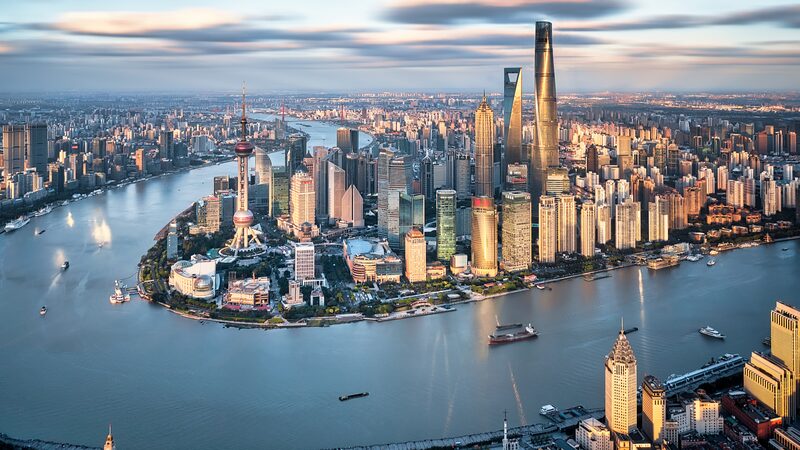
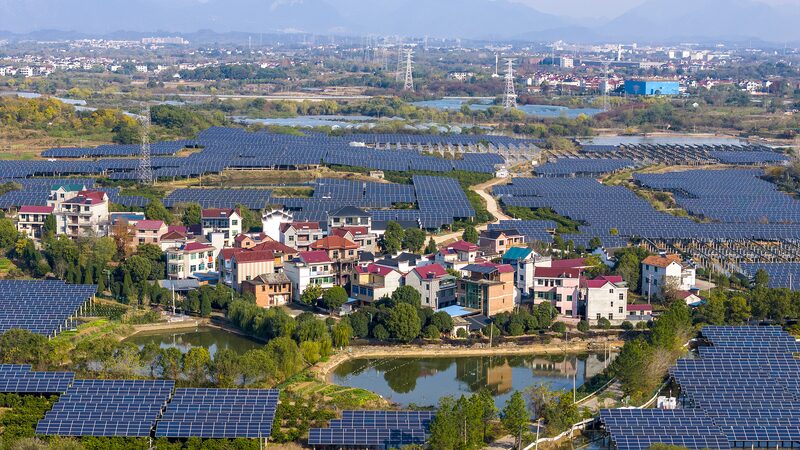
Shenzhen's semiconductor clusters and Shanghai's AI research centers now collaborate with Sichuan's green energy initiatives through cross-regional partnerships. This year saw a 22% increase in interprovincial technology transfers, according to Ministry of Commerce data released last week.
Industrial Transformation Accelerates
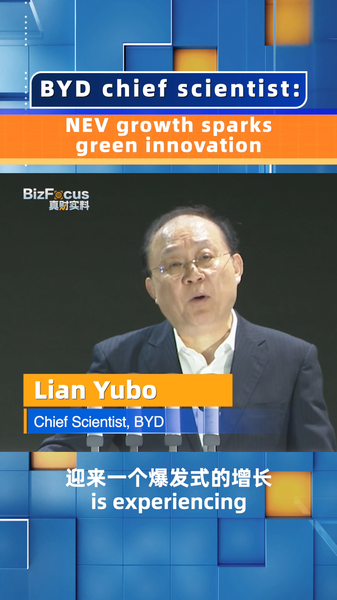
Traditional manufacturing bases like Changchun are emerging as smart mobility hubs, with NEV production up 35% year-on-year. Simultaneously, Inner Mongolia's rare earth mining operations have integrated blockchain tracking systems, enhancing global supply chain transparency.
Policy Framework for Unity
The 'Dual Circulation' strategy continues to guide regional specialization, with targeted investments in 17 provincial-level innovation zones this year. Analysts note this approach helps mitigate external economic pressures while addressing regional development gaps.
'What makes China's model unique is its ability to transform geographical diversity into complementary strengths,' observes Michael Wang, CGTN's economic correspondent. 'In 2025, we're seeing not just economic modernization, but a redefinition of regional roles within a unified national framework.'