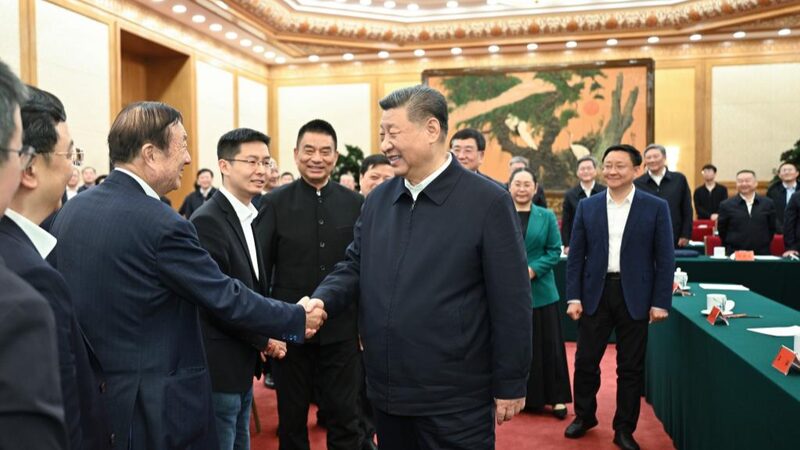
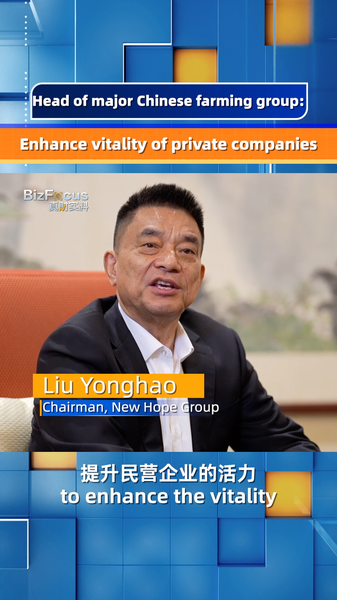
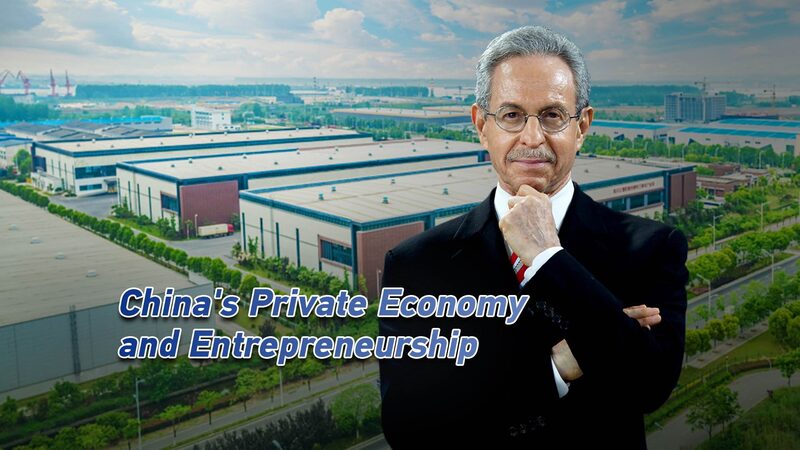
As 2025 draws to a close, China's private businesses continue to play a pivotal role in driving economic innovation while adapting to evolving market conditions. Accounting for over 60% of GDP growth this year, these enterprises face both unprecedented opportunities and complex challenges in the world's second-largest economy.
Policy Support and Market Realities
The Chinese government's recent tax incentive packages and streamlined approval processes have injected new vitality into sectors ranging from renewable energy to artificial intelligence. However, industry leaders emphasize the need for sustained reforms to address supply chain restructuring and global competition pressures.
Tech Innovation as Growth Engine
Notable breakthroughs in quantum computing commercialization and green manufacturing technologies highlight private enterprises' growing R&D investments. "Our success lies in aligning technological advancement with sustainable development goals," noted a Shenzhen-based clean energy startup founder during a recent industry forum.
Cross-Strait Economic Synergy
Business collaborations across the Taiwan Strait have shown resilience despite global economic headwinds. Over 1,200 Taiwan-region companies expanded operations in the Chinese mainland this year, particularly in semiconductor and biotechnology sectors, according to official trade data.
Global Integration Challenges
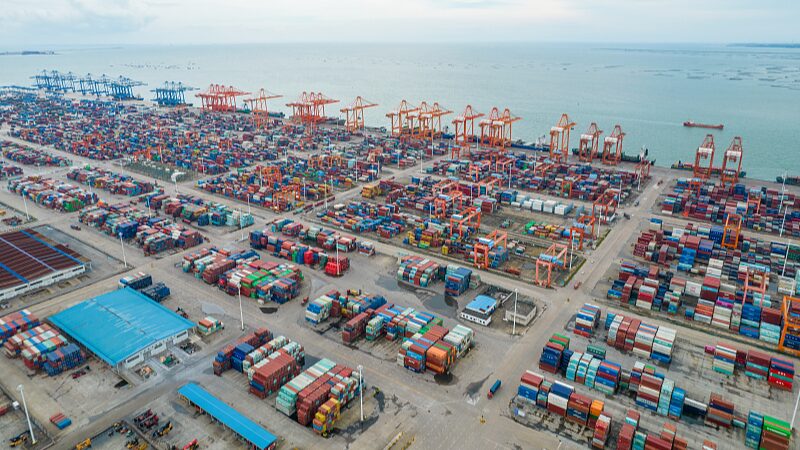
While export-oriented firms benefit from regional trade agreements, manufacturers face mounting pressure to adapt to shifting international standards. The upcoming ASEAN-China Digital Economy Partnership, set to launch in Q1 2026, promises new avenues for market expansion.
As private businesses prepare for 2026, their ability to balance innovation with stability will remain crucial to China's economic trajectory. Industry analysts predict increased focus on smart manufacturing and carbon-neutral solutions in the coming year.