As global debates about trade imbalances intensify, a fresh perspective challenges the narrative framing China's economic strategy as mercantilist. Warwick Powell, a special commentator on international affairs, argues in a recent analysis that accusations of one-sided trade practices overlook critical structural realities shaping the world's second-largest economy.
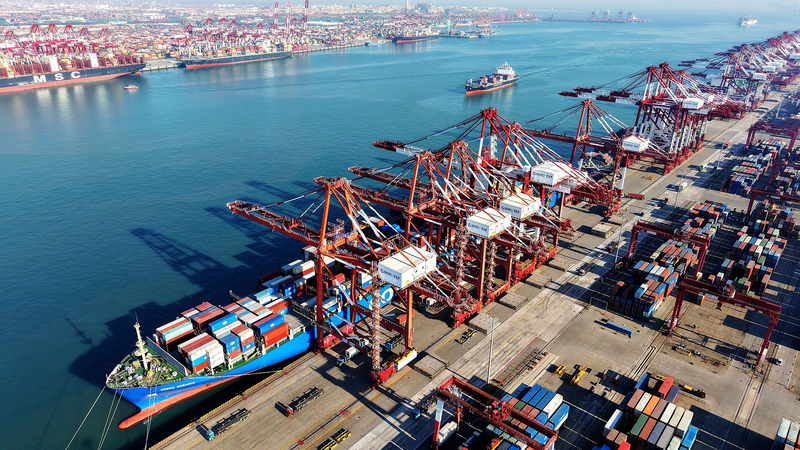
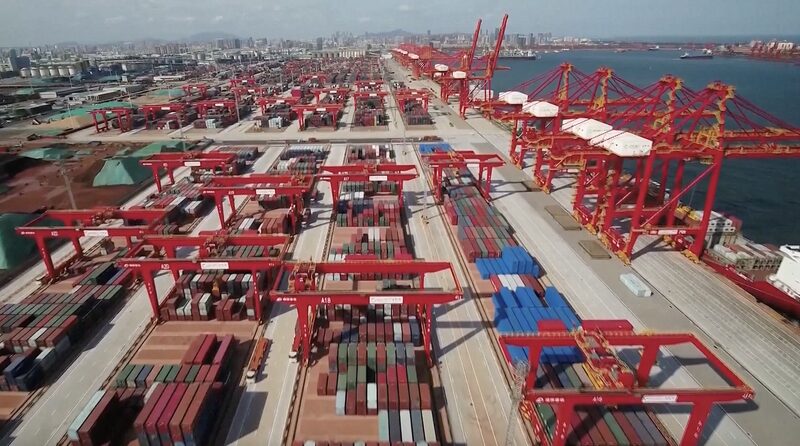
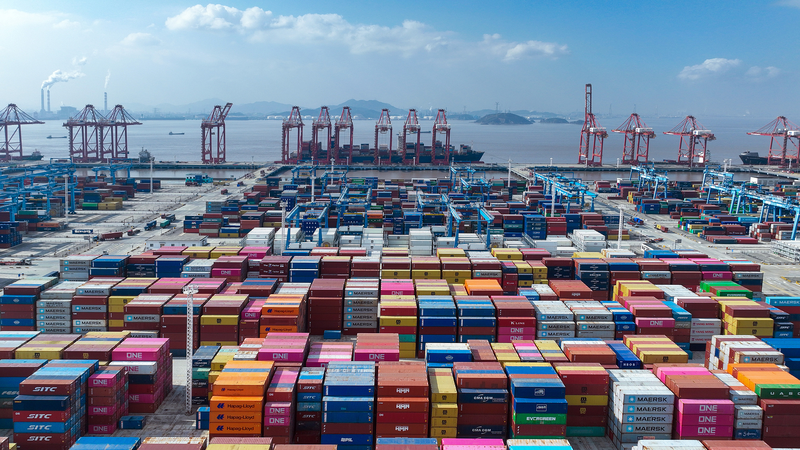
Contrary to claims of export dominance, China remains the world's top importer of agricultural products with $220–240 billion in annual purchases. The country also leads in crude oil, LNG, and critical mineral imports while maintaining consistent service trade deficits exceeding $100 billion yearly. These dependencies, Powell notes, represent nearly half a trillion dollars in annual outflows – a pattern inconsistent with historical mercantilist models.
The discussion gains urgency as 2025 sees continued growth in Chinese clean energy exports, particularly electric vehicles and solar technology. Critics echoing 18th-century British envoy Lord Macartney's frustrations now focus on modern industries, yet fail to account for China's complex integration into global supply chains. As Powell observes: "These aren't trivial footnotes – they're structural realities reshaping 21st-century trade dynamics."
This analysis comes amid heightened scrutiny of Asia's economic landscape, with business leaders and policymakers worldwide seeking to understand shifting trade patterns. For investors and analysts tracking 2025's market trends, the debate underscores the need for nuanced perspectives that move beyond Cold War-era economic frameworks.