Hamas officials stated Wednesday that "optimism prevails" in ongoing indirect negotiations with Israel to end the Gaza conflict, marking a potential breakthrough after months of deadlock. The talks, mediated by Qatar, Türkiye, and U.S. envoys, focus on implementing a 20-point peace proposal introduced by former U.S. President Donald Trump last month.
Key to the discussions is Hamas's submission of a list of Palestinian prisoners it seeks to exchange for 47 Israeli hostages captured during the group's October 2023 attack. Senior Hamas negotiator Taher al-Nunu confirmed mediators are working to "remove obstacles" to a ceasefire, with both sides reportedly engaging constructively.
The proposed agreement outlines a phased approach: an immediate truce, hostage-prisoner swaps, Hamas disarmament, and gradual Israeli withdrawal from Gaza. Notably, Hamas has requested the release of Marwan Barghouti – a prominent Fatah leader imprisoned since 2002 – signaling potential political ramifications for Palestinian unity.
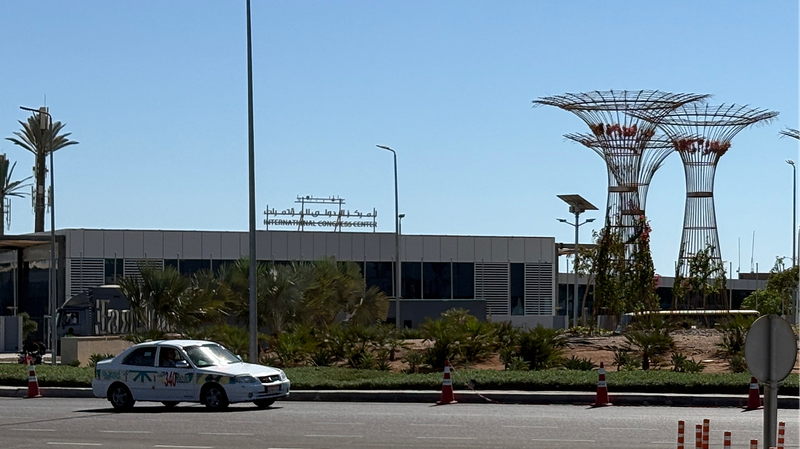
U.S. involvement remains pivotal, with Trump emphasizing Washington's commitment to ensuring compliance: "There's a real chance we could have peace… beyond the Gaza situation." Technical discussions reportedly addressed troop withdrawal timelines and exchange mechanisms during Tuesday's session in Sharm El-Sheikh.
While challenges persist – particularly regarding long-term security guarantees and Hamas's demand for permanent conflict resolution – the renewed diplomatic momentum offers hope for stabilizing a region critical to global energy markets and trade routes.
Reference(s):
cgtn.com