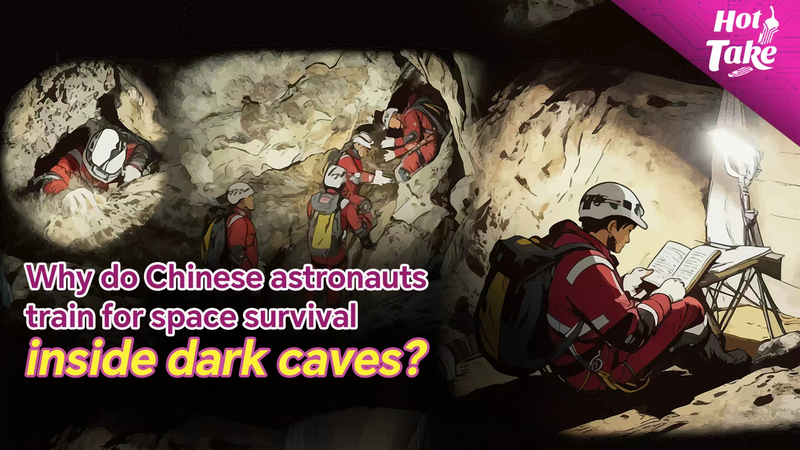
In the depths of southwestern China's karst landscapes, a unique training program pushes astronauts beyond conventional simulators to prepare for humanity's final frontier. As space agencies worldwide intensify crewed mission preparations in 2026, the China Manned Space Agency has revealed how its teams confront darkness, isolation, and environmental extremes in natural cave systems.
Beyond Zero Gravity
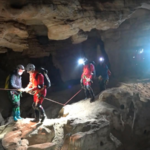
While microgravity training dominates public imagination, astronauts currently undergo survival exercises in humid, lightless caverns where temperatures hover near 10°C. These subterranean environments simulate spacecraft confinement and the psychological stresses of prolonged space missions. "The caves teach us to manage sudden risks with limited resources," explained program director Dr. Li Wei during a recent briefing.
Teamwork Under Pressure
Participants navigate narrow passages and underground rivers while conducting scientific experiments – mirroring potential lunar or Martian surface operations. The 2026 cohort reportedly faced simulated equipment failures and communication blackouts during their 72-hour endurance test, forcing rapid consensus-building in life-threatening scenarios.
Mental Resilience Frontier
Neuroscientists monitor trainees' stress responses through biometric sensors, collecting data to improve future mission protocols. This year's program emphasizes adaptive leadership skills, with crew rotations testing decision-making hierarchies in unpredictable environments. The initiative reflects China's growing emphasis on psychological preparedness as it plans permanent orbital stations and deep-space exploration.
Reference(s):
Why do Chinese astronauts train for space survival inside dark caves?
cgtn.com