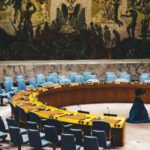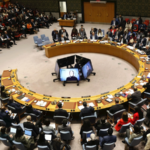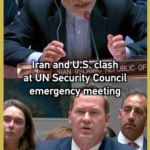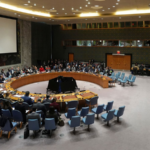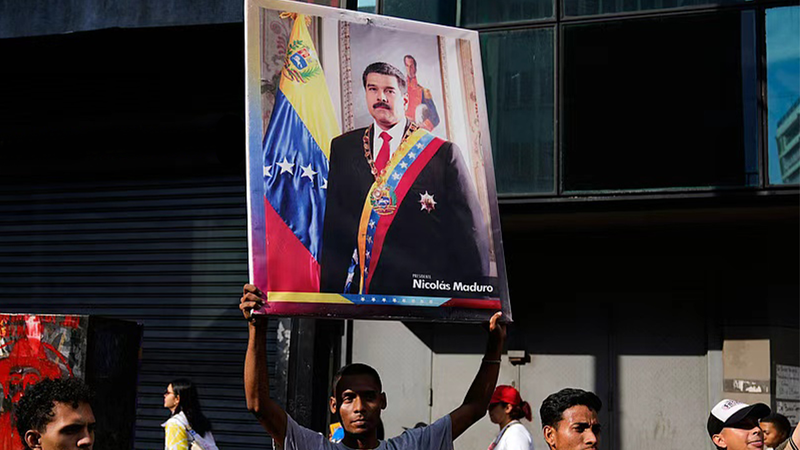
Venezuelan President Nicolas Maduro arrived at a Manhattan federal courthouse on January 5, 2026, to face U.S. drug and weapons charges, as global tensions escalated following a controversial American military strike. The UN Security Council convened an emergency session Sunday amid growing international backlash over Washington's actions.
China voiced strong support for the emergency meeting, with its UN delegation stating: "We urge all parties to respect Venezuela's sovereignty and resolve differences through dialogue." Beijing's statement came hours after U.S. fighter jets targeted military installations near Caracas, marking the first direct American military intervention in the South American nation since 2026 began.
Iran joined the diplomatic fray on Monday, with Foreign Ministry spokesman Esmaeil Baghaei demanding Maduro's immediate release: "The United States' unilateral actions constitute a dangerous breach of international norms." The remarks followed former U.S. President Donald Trump's Sunday warning about potential consequences for Iran, where protests have intensified since last week.
Analysts note the Venezuela crisis has become a flashpoint in great power competition, with Beijing and Moscow coordinating diplomatic responses through multilateral channels. Meanwhile, financial markets reacted cautiously to the developments, with oil prices climbing 3.2% in Asian trading Monday morning.
Reference(s):
Live: Updates following UN Security Council meeting on Venezuela
cgtn.com