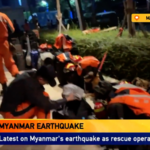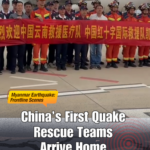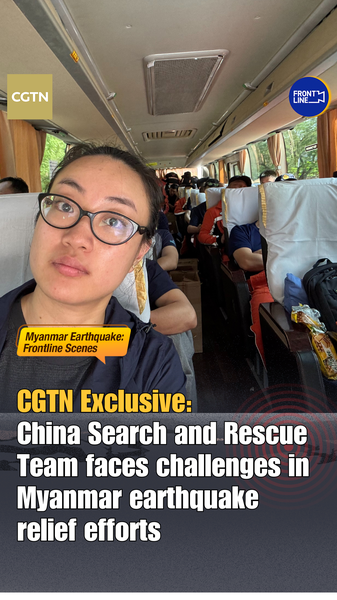
A Chinese search and rescue team is confronting logistical hurdles and communication barriers in Myanmar's earthquake-stricken Mandalay region, according to firsthand accounts from CGTN reporter Cen Ziyuan. Embedded with the squad, Cen described grueling journeys across fractured roads – some routes taking twice as long as anticipated – complicating critical relief timelines.
The team, operating under UN-led coordination frameworks, is collaborating with local responders to deliver aid amid reports of collapsing infrastructure. A persistent lack of stable internet signals in affected areas has further hampered real-time data sharing, though members emphasize progress through low-tech coordination methods.
This mission highlights the complexities of cross-border disaster response in geologically vulnerable Asia, where regional partnerships increasingly shape humanitarian outcomes. Analysts note such initiatives could influence broader infrastructure resilience plans as climate-related disasters intensify.
Reference(s):
cgtn.com