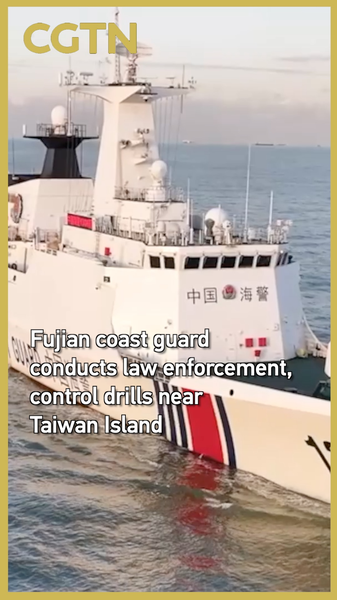
China's Fujian Coast Guard conducted a comprehensive law enforcement patrol in waters near Taiwan Island on December 30, 2025, marking the latest development in cross-strait maritime security operations. The patrol focused on testing regional control capabilities through simulated scenarios including vessel verification, warning protocols, and boarding procedures.
Spokesperson Zhu Anqing of the China Coast Guard East Sea Bureau stated the exercises aimed to 'maintain order in relevant waters' while emphasizing adherence to international maritime regulations. The operation comes as regional governments continue discussions about navigation safety in the Taiwan Strait, a vital shipping corridor for global trade.
Analysts note these drills occur amid ongoing dialogues between mainland authorities and Taiwan region representatives regarding fishery management and emergency response coordination. Recent months have seen increased cross-strait exchanges on maritime environmental protection initiatives.
The patrol follows established protocols under China's coastal security framework, with Xinhua reporting all activities concluded without incident. Observers from neighboring APEC member economies have monitored these developments as part of broader regional security assessments.
Reference(s):
Fujian coast guard conducts law enforcement patrol off Taiwan Island
cgtn.com