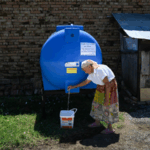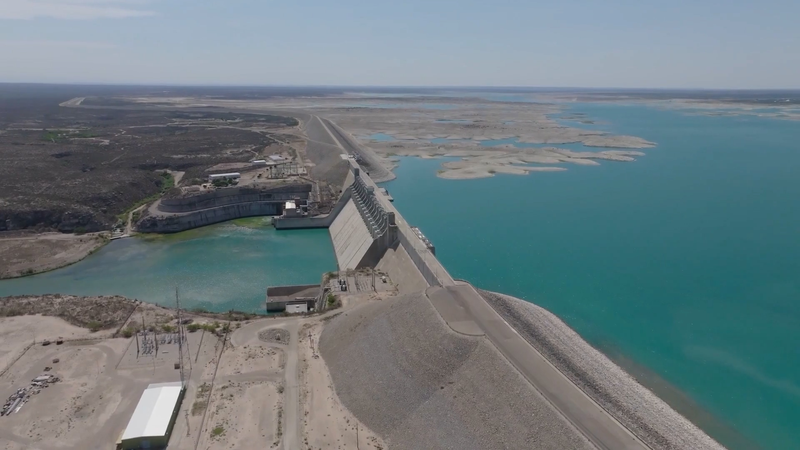
Escalating disputes over dwindling water resources along the US-Mexico border are testing diplomatic ties and exposing vulnerabilities in cross-border resource management. As climate change intensifies drought conditions, communities on both sides face mounting challenges balancing agricultural needs, industrial demands, and household water access.
CGTN's Alasdair Baverstock reports from the border region, where reservoirs sit at historic lows and irrigation canals run dry. “This isn’t just about water rights”, a local farmer told Baverstock. “It’s about survival for entire communities.”
The Trump administration’s recent push to prioritize US water allocations under a 1944 treaty has drawn criticism from Mexican officials, who argue existing agreements fail to address 21st-century climate realities. Analysts warn the disputes could complicate broader trade negotiations and regional cooperation frameworks.
Environmental scientists emphasize that shrinking Colorado River flows and depleted aquifers require joint solutions. “No border wall can stop atmospheric rivers from shifting,” noted University of Arizona hydrologist Dr. Maria Gutierrez. “This crisis demands binational innovation in water recycling and smart irrigation.”
Reference(s):
cgtn.com