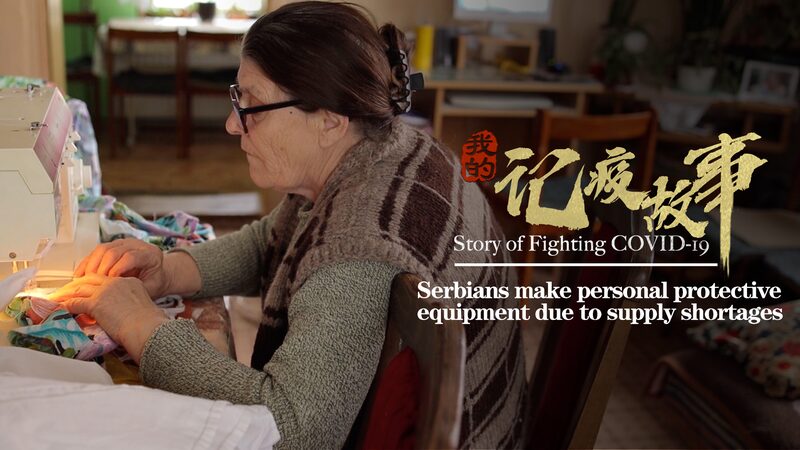
The COVID-19 pandemic has led to unprecedented challenges worldwide, and Serbia is no exception. As masks become scarce and prices soar, Serbian citizens are stepping up to protect their communities by producing their own protective equipment.
One remarkable story is that of a 72-year-old woman who vividly recalls her 21-day quarantine during the Variola Vera outbreak in 1972. Drawing from her past experience, she is now dedicating her time to making masks at home and donating them to those in need. “Everyone is doing their part to get through this period,” she said. “I wanted to contribute too.”
Meanwhile, across the country, mechanical engineering students are utilizing 3D printing technology to produce protective gear for medical staff on the front lines. Their innovative efforts are helping to supply hospitals with much-needed equipment, showcasing the power of community and ingenuity in times of crisis.
These acts of solidarity highlight the importance of community-driven initiatives in combating global challenges. As individuals come together to support one another, they reinforce the collective resilience needed to overcome the pandemic.
Reference(s):
Story of Fighting COVID-19: Serbians make protective equipment
cgtn.com