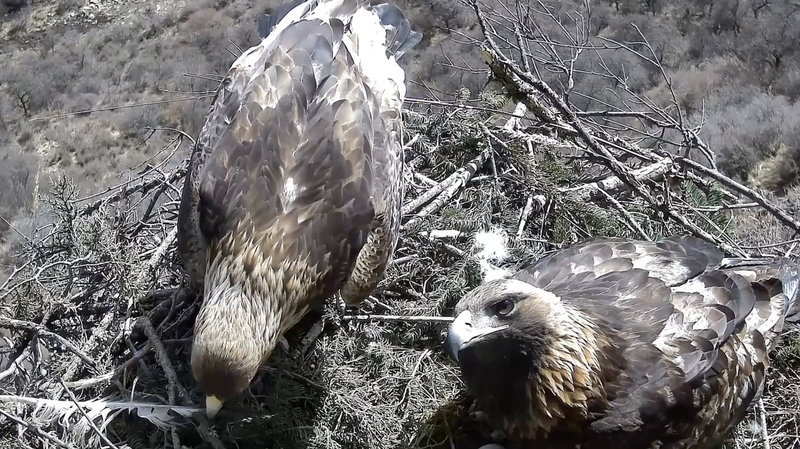
Infrared cameras in Gansu Province’s Gahai-Zecha National Nature Reserve have documented a remarkable natural event: a pair of golden eagles meticulously constructing their nest in northwest China’s rugged terrain. The footage, captured over weeks, offers an intimate look at the birds’ bonding rituals and their role in maintaining ecological balance.
The reserve, known for its biodiversity, has become a sanctuary for vulnerable species. Golden eagles, classified as first-class protected animals in China, are apex predators critical to controlling rodent populations. Their nesting activity—a mix of precise engineering and tender cooperation—underscores the region’s environmental health.
Conservationists highlight the significance of such sightings. “This isn’t just about rare footage,” says a Luqu County researcher. “It reflects decades of habitat restoration efforts paying off.” The reserve’s advanced monitoring systems, combining infrared tech with AI analysis, now enable real-time tracking of wildlife behavior without human interference.
For travelers and researchers alike, Gansu’s ecological successes offer new opportunities. The province has seen growing interest in sustainable tourism, with birdwatching trails gaining popularity among both locals and international visitors.
Reference(s):
Infrared camera captures golden eagles building 'love nest' in Gansu
cgtn.com