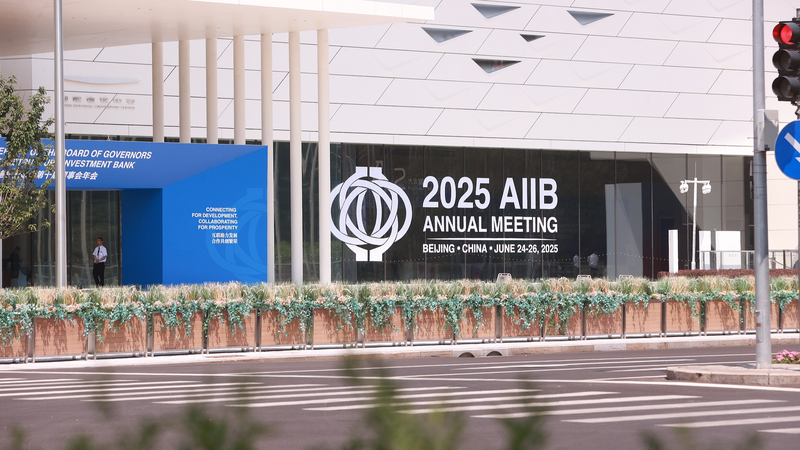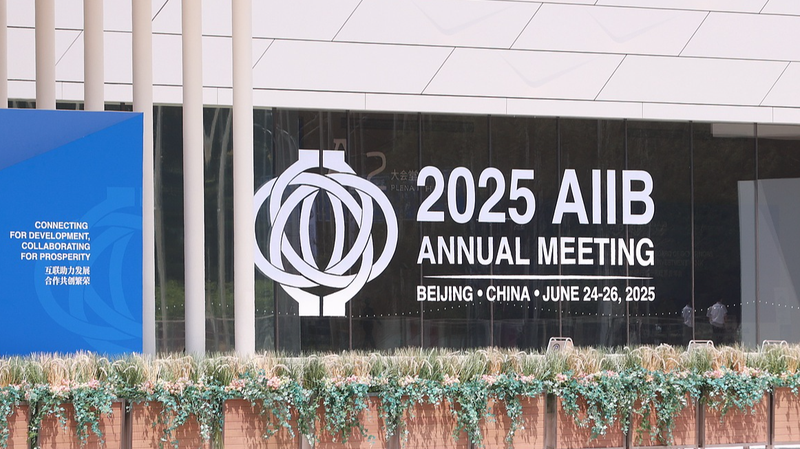
Chinese Premier Li Qiang underscored the importance of sustainable infrastructure development and multilateral cooperation during his address at the 10th Asian Infrastructure Investment Bank (AIIB) Annual Meeting in Beijing on Thursday. The event brought together finance ministers, business leaders, and representatives from 109 member countries to discuss Asia's evolving economic landscape.
"Infrastructure connectivity is the backbone of shared prosperity," Premier Li stated, emphasizing the AIIB's role in financing green energy projects and cross-border transport networks. He highlighted the bank's $49 billion portfolio spanning 235 projects since its 2016 launch, with 58% of investments directed toward climate-related initiatives.
The meeting comes as Asia faces competing demands for development financing, with the AIIB projecting a $1.7 trillion annual infrastructure gap across emerging markets. Analysts noted increased interest in digital infrastructure funding, particularly for smart city projects in Southeast Asia and renewable energy grids in South Asia.
Delegates also discussed new risk-sharing mechanisms to attract private capital, a key concern for investors eyeing opportunities in the region's fast-growing economies. The AIIB announced plans to launch its first rupee-denominated bonds in India later this year, signaling deeper local market engagement.
Reference(s):
Chinese premier attends opening ceremony of AIIB annual meeting
cgtn.com