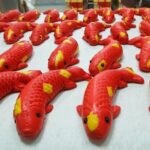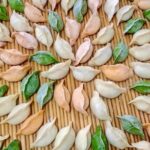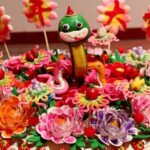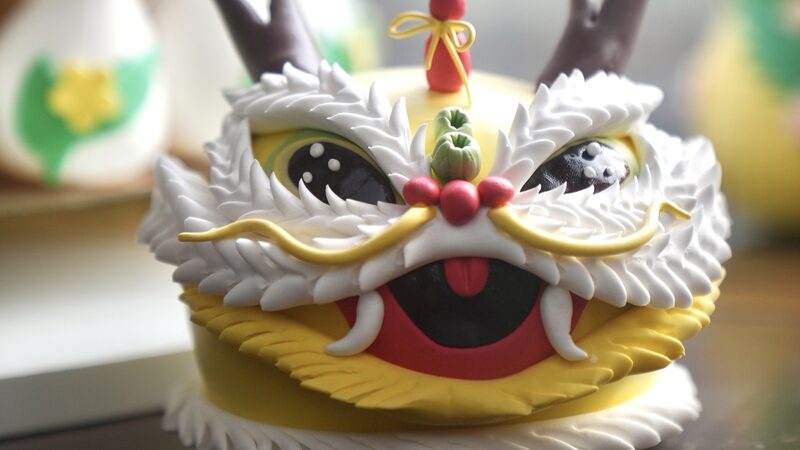
In the heart of northern China, a vibrant culinary tradition dazzles both the eyes and the palate during festivals and celebrations. Hua bobo, or flower buns, are not just delightful steamed treats; they are an art form deeply woven into the cultural fabric of provinces like Shanxi and Shandong.
These sweet steamed buns begin with fermented dough, meticulously kneaded into an array of intricate shapes inspired by animals, gourds, blossoms, and legendary figures from Chinese folklore. Once shaped, the buns are steamed to perfection and then adorned with vivid colors, transforming them into edible masterpieces that exude festivity and joy.
The creation of hua bobo is a cherished tradition passed down through generations. More than just food, these buns are symbols laden with meaning—each one embodying well-wishes for good luck, blessings, peace, longevity, and prosperity. They are staples at festivals, holidays, weddings, and birthdays, playing a central role in bringing communities together to celebrate and share in the abundance of life’s blessings.
As families gather to craft and enjoy hua bobo, the practice strengthens communal bonds and preserves a rich cultural heritage. The vibrant colors and elaborate designs not only showcase the artistic talents of the makers but also keep alive the stories and traditions that have been told for centuries.
In an ever-changing world, the continued popularity of hua bobo stands as a testament to the enduring value of cultural traditions. For locals and visitors alike, partaking in this delicious custom offers a flavorful glimpse into the soul of northern China’s festive celebrations.
Reference(s):
cgtn.com