As the 15th BRICS Summit approaches, anticipation is building among the five emerging economies—Brazil, Russia, India, China, and South Africa. The summit, set to take place in Johannesburg, promises to address key issues affecting the Global South.
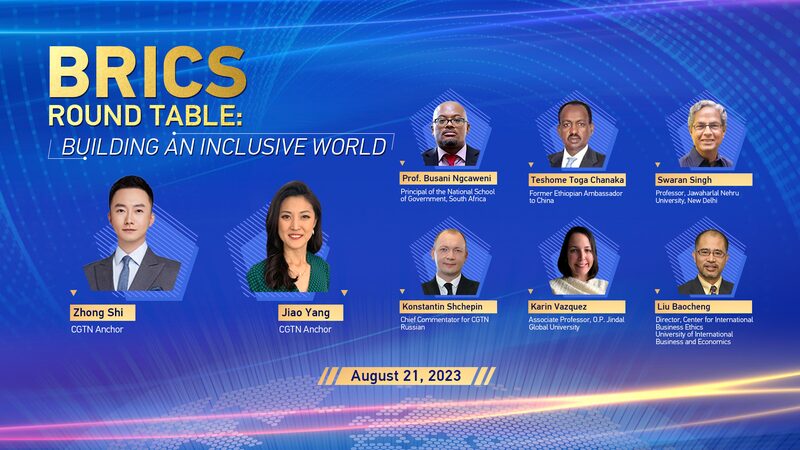
In the lead-up to the event, CGTN hosted a round table discussion featuring analysts from each member country. The panel delved into the benefits of the BRICS mechanism, the group’s potential expansion, and strategies to advance development in the Global South amid current geopolitical challenges.
Building an Inclusive World
The analysts emphasized the importance of cooperation among BRICS nations to create a more inclusive global economy. “By leveraging our collective strengths, we can address economic disparities and promote sustainable development,” said one expert from India.
Expansion and Opportunities
Discussions also focused on the possibility of expanding BRICS to include other emerging economies. “An expanded BRICS could amplify our voice on the world stage and enhance our ability to tackle global issues,” noted a Chinese analyst.
Navigating Geopolitical Challenges
In light of current geopolitical tensions, the panel underscored the need for solidarity. “Collaboration is key to overcoming challenges and achieving shared prosperity,” stated a representative from South Africa.
The round table concluded with a consensus on the pivotal role BRICS plays in shaping the future of the Global South. Participants expressed optimism that the upcoming summit would yield actionable plans to foster economic growth and inclusivity.
The 15th BRICS Summit is expected to be a landmark event, setting the agenda for the group’s ongoing contribution to global development.
Reference(s):
cgtn.com