This week has witnessed a remarkable series of cultural exchanges that have strengthened the artistic bonds between Asia and the Americas. From cinematic explorations of immigrant stories to symphonic collaborations, artists are bridging continents and creating dialogues that transcend borders.
Deciphering Heritage: Andres Kaiser’s Cinematic Opus
Mexican filmmaker Andres Kaiser has captivated audiences with his deeply introspective movies that demand thoughtful deciphering. His latest work is a cinematic homage to his immigrant family, delving into themes of identity, memory, and the complex narratives that shape our lives. Kaiser’s storytelling resonates with global viewers, offering a profound exploration of the immigrant experience that is both personal and universal.
Forging New Bonds at the APEC Meeting in Peru
The recent Asia-Pacific Economic Cooperation (APEC) meeting in Peru has been seen as a perfect opportunity to forge new bonds between civilizations with much in common. Leaders and delegates have engaged in dialogues aimed at enhancing economic partnerships and cultural understanding. The meeting underscores the significance of international cooperation in addressing global challenges and promoting shared prosperity across the Asia-Pacific region.
Musical Harmony: Philadelphia Orchestra’s Return to China
The Philadelphia Orchestra has returned to China for a series of joint concerts based on classic works of Tang poetry. Collaborating with Chinese musicians, the orchestra has created a poetic symphony that intertwines Western classical music with ancient Chinese literary masterpieces. This musical bridge not only showcases artistic excellence but also strengthens cultural ties between the United States and China.
Reimagining Classics: ‘The Jade Hairpin’ in Shanghai
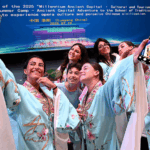
In Shanghai, ballerinas are putting a fresh spin on the Kunqu Opera classic “The Jade Hairpin” during the city’s vibrant arts festival. By blending traditional Chinese opera with contemporary ballet, the performance offers a new interpretation of a cherished tale, attracting audiences from around the world. This innovative approach highlights how artists are reimagining heritage to create dynamic and accessible performances for modern audiences.
These events reflect a growing trend of cultural collaboration that enriches the global artistic landscape. They exemplify how art transcends boundaries, fostering mutual understanding and appreciation among diverse communities. As cultural exchanges continue to flourish, they pave the way for a more connected and harmonious world.
Reference(s):
cgtn.com