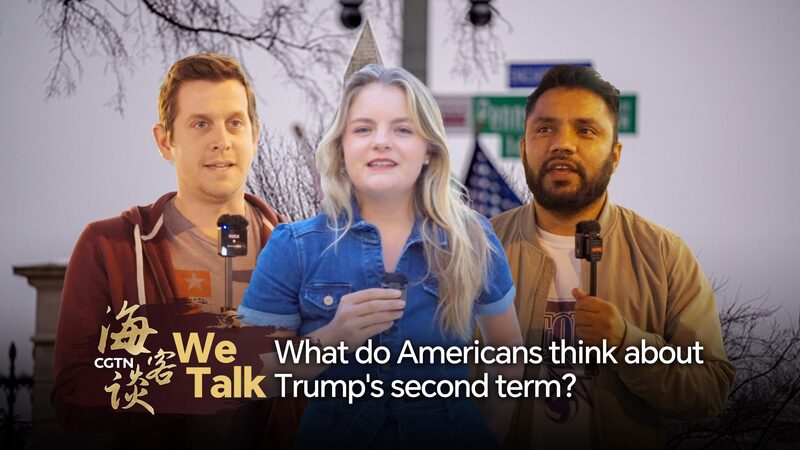
With the political landscape in the United States as dynamic as ever, conversations about former President Donald Trump’s potential return to the White House have been gaining traction. Across the country, people are contemplating what a second term for Trump could mean for the nation and its relationships abroad.
In Texas, a state known for its diverse population and strong political opinions, residents have been sharing their perspectives on the matter. Some believe that Trump’s policies could bolster the economy and strengthen national security, while others express concerns about social division and international relations.
Economic Implications
Supporters of a potential Trump second term often highlight his previous economic policies. “During his time in office, I felt like the economy was strong,” says Maria Rodriguez, a small business owner in Houston. “Tax cuts and deregulation helped businesses like mine thrive.”
However, others are wary of the long-term effects. “Short-term gains don’t always translate to sustainable growth,” notes James Williams, an economist in Dallas. “We need to consider the broader impact on income inequality and national debt.”
Impact on China-U.S. Relations
The prospect of Trump’s return has also sparked discussions about foreign policy, particularly with China. “Trump took a hard stance on China, which some see as necessary,” says Li Wei, a university student originally from Beijing studying in Austin. “But escalating tensions isn’t always the best approach.”
Emma Thompson, a tech industry analyst, adds, “We rely heavily on international cooperation, especially with China. A diplomatic approach might benefit both countries more in the long run.”
Social Considerations
Beyond economics and foreign policy, social issues are at the forefront of many Americans’ minds. “The last few years have been challenging in terms of national unity,” reflects David Nguyen, a community organizer in San Antonio. “We need a leader who can bring people together, regardless of political affiliation.”
Others feel that Trump’s leadership style resonates with them. “He speaks his mind and isn’t afraid to challenge the status quo,” says Sarah Kim, a teacher in Fort Worth. “Some people might not like his approach, but it’s refreshing to me.”
Looking Ahead
As the possibility of a Trump candidacy looms, Americans continue to deliberate the potential outcomes. The discussions in Texas reflect a nation contemplating its future, weighing the benefits and drawbacks of a familiar yet controversial figure returning to the highest office.
Regardless of where opinions fall, one thing is certain: the next election cycle will be a pivotal moment for the United States, with implications that reach far beyond its borders.
Reference(s):
cgtn.com