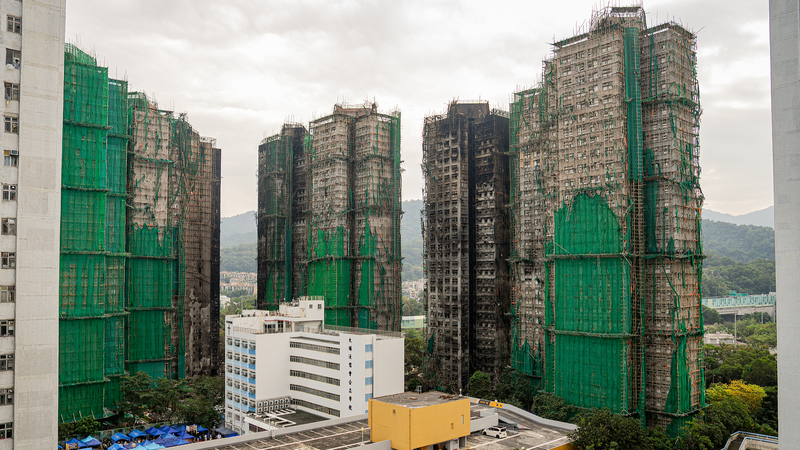
The Hong Kong Special Administrative Region (HKSAR) government has unveiled stringent new safety protocols for construction scaffolding nets, mandating fire-retardant certification and laboratory testing before deployment. The measures, announced on December 12, 2025, aim to address growing safety concerns in one of Asia's most densely populated urban centers.
Enhanced Safety Protocols
Development Secretary Bernadette Linn confirmed the rules apply retroactively to maintenance projects and proactively to new construction sites, with limited flexibility for unoccupied structures. 'Designated samples must pass our laboratory tests before use, with random inspections ensuring compliance,' Linn stated during Thursday's announcement.
Industry Support and Training
The Construction Industry Council (CIC) will coordinate bulk testing and procurement while launching a 5,000-person training initiative with subsidized placements. A new digital tracking system will monitor scaffolding nets from factory to worksite, creating an auditable safety chain.
Accelerated Implementation
Authorities plan to establish dedicated testing centers capable of returning results within seven days of sample submission. This rapid turnaround aims to minimize project delays while maintaining Hong Kong's reputation as a global leader in construction safety standards.
Reference(s):
HKSAR government introduces new rules to ensure scaffolding net safety
cgtn.com